
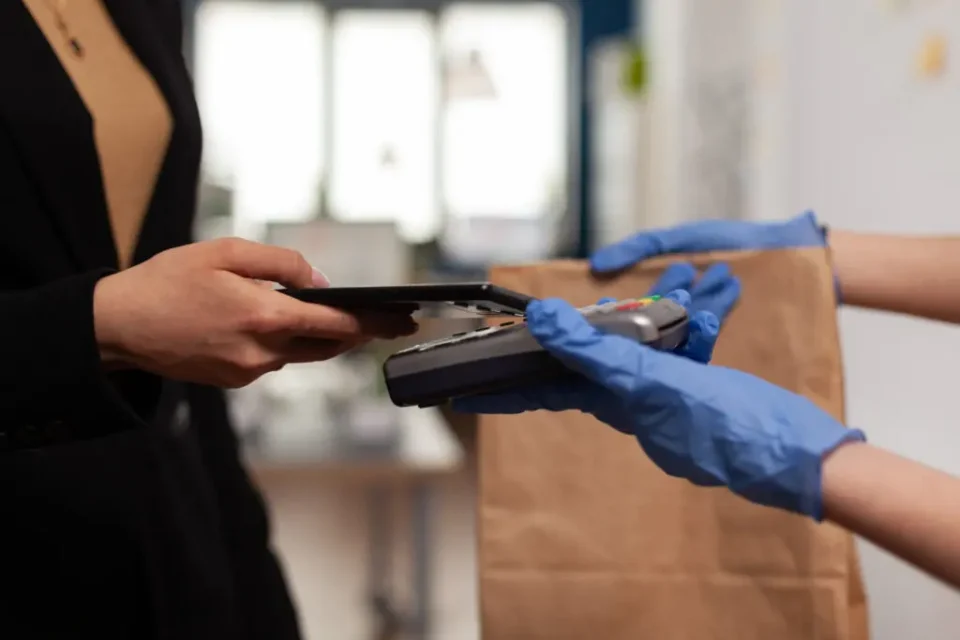
The landscape of consumer electronics is shifting rapidly. As devices become more sophisticated, expensive, and integrated into our daily lives, the way they arrive at our doorsteps has become as important as the technology itself. For years, standard shipping was the default. A box would arrive on the porch, often left to the mercy of the elements or potential theft, leaving the customer to handle the unboxing, setup, and disposal of bulky packaging.
However, 2026 has marked a turning point. We are seeing the rise of white glove delivery as the new baseline for high-end tech accessories. This premium service, once reserved for heavy furniture or specialized medical equipment, is now a critical component of the tech ecosystem. It represents a transition from simple logistics to an immersive brand experience that prioritizes security, precision, and customer convenience.
The Evolution of Consumer Expectations in Tech
The modern consumer is no longer satisfied with just receiving a product; they want a seamless transition from purchase to performance. When someone invests in high-end tech accessories—whether it is a professional-grade home studio setup, a complex mesh networking system, or a premium multi-display workstation—the stakes are high.
Standard delivery often falls short in three key areas: safety, setup, and service. High-value electronics are notoriously sensitive to temperature fluctuations and rough handling. Furthermore, as accessories become more “smart” and interconnected, the setup process has grown more daunting for the average user. White glove delivery addresses these pain points by providing a curated end-to-end journey. It bridges the gap between a digital purchase and a fully functional physical setup.
Unmatched Security for High-Value Shipments
One of the primary drivers behind the white glove movement is the sheer value and fragility of modern tech. Many premium accessories today contain delicate sensors, glass components, and intricate circuitry that standard sorting facilities are not equipped to handle with the necessary finesse.
-
Climate-Controlled Transit: High-end peripherals and storage solutions are sensitive to extreme heat and humidity. White glove providers often utilize specialized vehicles to maintain optimal conditions.
-
Reduced Handoffs: In standard shipping, a package may change hands a dozen times before reaching its destination. White glove logistics minimize these touchpoints, significantly lowering the risk of accidental drops or “lost in transit” scenarios.
-
Asset Protection: For items worth thousands of dollars, having a two-person professional team ensures the product is never left unattended on a sidewalk or in a common lobby area.
Professional Installation and Technical Calibration
The “accessory” label is often a misnomer for the complex hardware being sold today. A high-end ergonomic desk with integrated power and cable management, or a 360-degree home security suite, requires more than just being plugged into a wall.
White glove delivery teams in 2026 are increasingly trained as technicians, not just couriers. When they arrive, they do not just drop a box; they perform a series of high-value tasks:
-
Precision Placement: Handlers place the tech exactly where the user intends to use it, navigating narrow hallways or multiple floors that would be difficult for a single person to manage.
-
Assembly and Mounting: Whether it is a monitor arm that requires specific tension adjustments or a server rack that needs to be leveled, the delivery team handles the heavy lifting and mechanical assembly.
-
Basic Calibration: Some services now include ensuring that the accessory is powered on and communicating correctly with the primary device, providing the customer with immediate peace of mind.
Sustainability and the Debris Problem
Large tech accessories come with an incredible amount of protective packaging. Foam inserts, heavy-duty cardboard, plastic wraps, and wooden pallets are necessary for safety but become a major headache for the consumer once the product is out of the box.
A hallmark of white glove service is the “pack-away” policy. After the installation is complete, the delivery team removes every scrap of packaging material. This is not just a convenience; it is a step toward better environmental management. Professional logistics companies often have better access to industrial recycling streams for specialized plastics and foams than a residential consumer does. By centralizing the disposal of these materials, the white glove model supports a more circular and sustainable economy.
Driving Brand Loyalty Through the Last Mile
For tech brands, the “last mile” of delivery is often the only physical interaction they have with their customers. In a world of digital storefronts, the delivery person is the face of the brand.
If a customer buys a top-tier tech accessory and the box arrives crushed or the delivery person is unprofessional, that negative emotion is transferred to the brand. Conversely, a white glove experience creates a “wow” factor. When a professional team arrives on time, wears protective footwear to keep the home clean, and leaves the workspace ready for use, it justifies the premium price point of the hardware. This level of service reduces “buyer’s remorse” and significantly lowers the rate of returns caused by setup frustration or minor transit damage.
The Role of Real-Time Transparency
Modern white glove delivery is powered by advanced logistics software that provides a level of transparency standard shipping cannot match. In 2026, customers expect to see exactly where their high-value tech is at any given moment.
-
Precise Windows: Instead of a vague “delivery between 8 AM and 6 PM,” white glove services offer narrow, two-hour windows.
-
Live Tracking: GPS integration allows customers to view the delivery vehicle’s progress on a map in real-time.
-
Pre-Arrival Communication: Automated calls or texts 15 to 30 minutes before arrival ensure the customer is ready, preventing the need for multiple delivery attempts.
Summary of the White Glove Advantage
| Feature | Standard Delivery | White Glove Delivery |
| Handling | Mass-sorted, high-impact | Dedicated, high-touch |
| Placement | Doorstep or lobby | Room of choice |
| Assembly | Customer-led | Professional technician-led |
| Packaging | Left for the customer | Removed and recycled |
| Risk | Higher damage/theft potential | Minimized through supervision |
| Timing | Broad windows | Precise, scheduled slots |
Conclusion
The shift toward white glove delivery for tech accessories is not a temporary trend; it is a fundamental response to the increasing complexity and value of the hardware we buy. As we move further into an era where our homes and offices are defined by their technical integration, the expectation for a professional, “done-for-you” delivery experience will only grow. For companies looking to maintain a competitive edge, providing white glove service is no longer an optional luxury—it is the gold standard that modern consumers demand.
Frequently Asked Questions
Does white glove delivery include the synchronization of software for my new tech accessories?
While white glove delivery focuses primarily on physical handling, assembly, and power-on testing, many premium providers now offer basic connectivity checks. This usually involves ensuring the accessory is receiving power and is recognized by the main system. However, deep software configuration or proprietary software installation is often still handled by the user or a separate IT support contract.
How should I prepare my space before a white glove delivery team arrives?
To ensure a smooth process, you should clear a path from the entrance to the final room of choice. Ensure that any old equipment that needs to be moved is disconnected and out of the way. It is also helpful to verify that your power outlets are accessible and that you have a clear idea of where you want the accessory positioned to avoid mid-installation changes.
Are white glove delivery teams insured to operate inside my home or office?
Yes, reputable white glove logistics providers carry comprehensive liability insurance. This covers not only the product being delivered but also any potential damage to your property that might occur during the move or installation process. This is a significant advantage over standard couriers who are generally only responsible for the package until it reaches your door.
Can I request white glove delivery for small tech accessories like high-end headphones or tablets?
White glove delivery is typically reserved for items that are fragile, high-value, or require assembly. While you can technically request it for smaller items, the cost-to-benefit ratio is usually highest for larger peripherals, workstations, or integrated systems. Most retailers will trigger a white glove option automatically based on the price or the complexity of the hardware.
What happens if the delivery team discovers the tech accessory is damaged during unboxing?
This is one of the biggest benefits of the service. If a product is found to be defective or damaged upon unboxing, the white glove team documents the issue immediately and often takes the item back with them. This saves you the trouble of repackaging the item and scheduling a separate return pickup, as the claim is initiated on the spot.
Is it customary to tip white glove delivery professionals for tech installations?
Tipping is not required, as these teams are professionals providing a specialized service often built into the premium price of the product. However, if the team goes above and beyond—such as navigating a particularly difficult installation or providing exceptional care—a tip of $10 to $20 per person is a common way to show appreciation in the US.
Does white glove delivery cover the removal of my old tech accessories?
This is often referred to as “haul-away” service. While many white glove packages include it, it is not always a default feature. You should check your service agreement to see if “removal of existing equipment” is included or if it requires an additional fee, especially for electronic waste (e-waste) which requires specific disposal protocols.
