
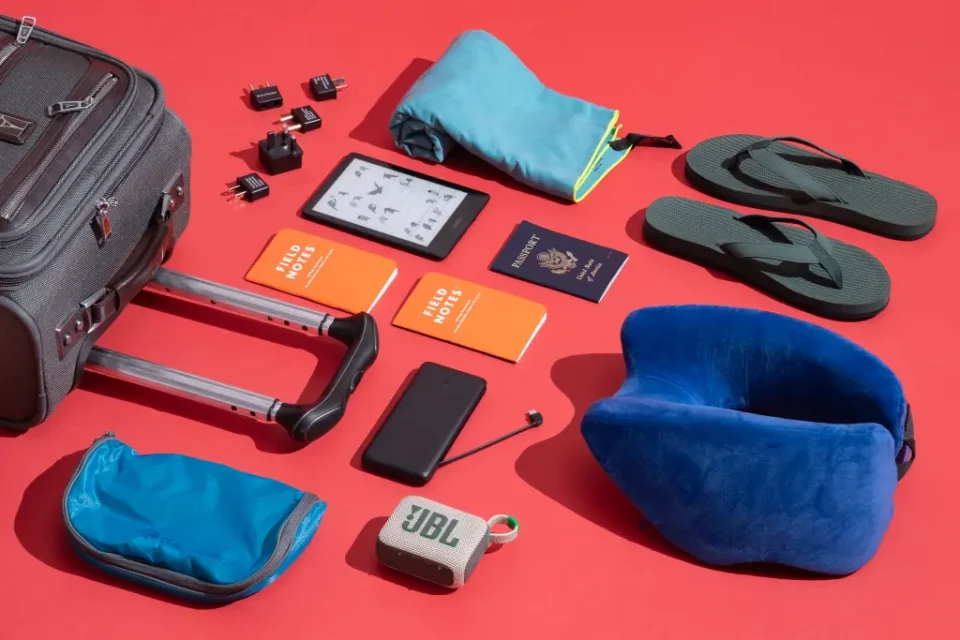
The landscape of travel has shifted from mere physical navigation to a complex digital journey. As travelers pack high-end laptops, smartphones, and smart luggage, they are no longer just carrying hardware; they are carrying entire digital identities. In 2026, the risk of data theft has outpaced the risk of physical pickpocketing. Modern travelers now require a sophisticated suite of digital security services designed to protect their accessories and the sensitive information stored within them.
The Evolution of Travel Security in a Hyperconnected World
The modern traveler’s accessory kit often includes items like smart passports, Bluetooth-enabled luggage trackers, and noise-canceling headphones with integrated voice assistants. While these tools offer unparalleled convenience, they also create a broader attack surface for cybercriminals. Digital security services have evolved to address these specific vulnerabilities, moving beyond simple antivirus software to integrated, real-time protection ecosystems.
Hardware-Level Protection and Encryption Services
Security for travel accessories begins at the hardware level. Many modern services now focus on securing the physical devices themselves through encryption and remote management.
-
Managed Encryption Services: For travelers carrying external drives or high-capacity storage, managed encryption services provide a layer of security that ensures data remains unreadable if the accessory is lost or stolen.
-
Remote Wipe and Kill Switches: Premium security suites now offer specialized “Travel Modes” that allow users to remotely disable specific hardware functions or wipe sensitive directories the moment a device leaves a pre-defined geographic fence.
-
Biometric Accessory Locking: We are seeing an increase in security services that link accessory access to biometric data, requiring a fingerprint or facial scan on a secondary device to unlock smart luggage or high-end camera gear.
Secure Connectivity Services for Public Infrastructure
One of the greatest threats to a traveler’s digital accessories is the network they connect to. Whether it is an airport lounge or a boutique hotel, public Wi-Fi remains a primary vector for man-in-the-middle attacks and juice jacking.
Advanced VPNs with Post-Quantum Cryptography
In 2026, standard encryption is no longer the gold standard. Leading digital security services now offer post-quantum cryptography within their Virtual Private Networks (VPNs). This technology is designed to protect data against future threats where quantum computers could potentially crack current encryption methods. For the traveler, this means that even if a sophisticated adversary intercepts their data today, it cannot be decrypted in the future.
SASE and Zero Trust for Remote Workers
For those who travel for work, the transition from traditional VPNs to Secure Access Service Edge (SASE) and Zero Trust Network Access (ZTNA) is vital. These services do not just create a secure tunnel; they continuously verify the identity and health of the device. If a traveler’s laptop is compromised by malware from a public USB charging port, the ZTNA service will automatically revoke its access to corporate servers, containing the threat before it can spread.
Identity and Document Protection Ecosystems
A traveler’s most important “accessories” are often their identity documents. The digitization of passports, visas, and boarding passes has made digital identity protection a cornerstone of modern travel security.
Digital Wallet Security and Biometric Anchoring
Digital security services now provide encrypted vaults specifically for travel credentials. These are not merely storage apps but active security monitors that utilize biometric anchoring. This ensures that a digital passport can only be displayed or transmitted if the authentic user is present. Furthermore, these services monitor the dark web for leaks related to the traveler’s passport number or frequent flyer accounts, providing instant alerts if their digital footprint is compromised.
Protection Against Juice Jacking and Port Exploitation
Modern travel accessories often require frequent charging. Digital security providers have responded by recommending and sometimes bundling hardware-software combinations that prevent “juice jacking.” This involves the use of USB data blockers—physical dongles that allow power to pass through while physically severing the data lines. Software services complement this by monitoring the device’s port activity and alerting the user if an unauthorized data handshake is attempted at a public charging station.
Real-Time Asset Tracking and Recovery Services
The loss of a physical accessory often results in the loss of digital privacy. Modern security services integrate deeply with tracking hardware to provide a comprehensive recovery solution.
-
Cross-Platform Bluetooth Monitoring: Services now exist that unify various tracking tags—such as those found in smart luggage or wallets—into a single security dashboard. This allows for real-time geolocation and “Left Behind” alerts.
-
Geofencing and Proximity Alarms: Travelers can set digital perimeters around their hotel rooms. If a secure accessory, like a high-end laptop, moves outside that perimeter, the security service can automatically lock the OS and trigger a loud audible alarm on the device itself.
-
Insurance and Restoration Bundles: Many digital security providers now include identity theft restoration and gadget insurance as part of their service. If an accessory is stolen, the service assists in the legal and technical process of restoring the user’s digital identity and provides financial coverage for the hardware.
The Role of Artificial Intelligence in Travel Security
Artificial Intelligence (AI) has become the silent guardian of the modern traveler. In 2026, AI-driven security services analyze patterns of behavior to identify anomalies that a human—or a traditional program—might miss.
Behavioral Analytics and Anomaly Detection
If a traveler typically accesses their banking app from London and suddenly an access attempt is made from a different location using a different set of device protocols, the AI-driven security service can intervene. It might require an extra layer of authentication or temporarily suspend high-risk transactions. This proactive approach is essential for travelers who are constantly changing their geographic and network context.
Phishing and Social Engineering Defense
Travelers are often targets of highly personalized phishing attacks, such as fake airline delay notifications or hotel booking confirmation requests. Modern digital security services use AI to scan incoming messages in real-time, identifying the subtle signs of a spoofed sender or a malicious link before the traveler has a chance to click.
Future-Proofing Your Travel Accessories
As technology continues to integrate further into the travel experience, the distinction between physical and digital security will continue to blur. Protecting your accessories now requires a holistic approach that combines physical vigilance with a robust suite of digital security services. By investing in encrypted storage, advanced connectivity protection, and AI-driven identity monitoring, travelers can ensure that their focus remains on the journey rather than the threats lurking in the digital shadows.
Frequently Asked Questions
What is the most effective way to prevent juice jacking at airports?
The most reliable method is to use a physical USB data blocker, often called a “USB Condom.” This device fits between your charging cable and the public USB port, physically disconnected the data wires while allowing electricity to flow. Additionally, using your own AC power adapter and a standard wall outlet is always safer than using a direct USB port.
Are smart luggage trackers safe from hackers?
Most reputable smart trackers use end-to-end encryption for location data. However, the risk lies in the Bluetooth connection. It is important to use trackers that support the latest Bluetooth security standards and to ensure that the associated app is kept updated to the latest version to patch any discovered vulnerabilities.
Why is post-quantum cryptography important for travelers right now?
While quantum computers are not yet widely capable of breaking current encryption, “harvest now, decrypt later” attacks are a real concern. Hackers can steal encrypted data today and store it until quantum technology is powerful enough to unlock it. Post-quantum cryptography ensures that the data you transmit today remains secure for decades to come.
Can a VPN protect my device if I lose it physically?
A VPN only protects your data while it is in transit over a network. It does not provide security for the physical device itself. To protect a lost device, you need remote management services that include “Find My” features, remote locking, and remote data wiping capabilities.
How does a Zero Trust service differ from a traditional VPN for a traveler?
A traditional VPN gives you a secure “pipe” into a network, but once you are in, you often have broad access. Zero Trust operates on the principle of “never trust, always verify.” It checks your identity, your device’s security status, and your location every time you try to access a specific resource, providing much tighter security for remote access.
Is it safe to store my passport digitally in a standard mobile wallet?
While standard mobile wallets are generally secure, travelers should ideally use specialized digital identity services that offer biometric anchoring and “zero-knowledge” storage. These services ensure that even the provider cannot see your sensitive documents, and they require your physical presence (via biometrics) to authorize any transmission of the data.
What should I do if my digital security service alerts me to a breach while I am abroad?
First, use a secure, known network (not public Wi-Fi) to change your primary passwords immediately. Use your security service’s “Lockdown” or “Lost Mode” features for any compromised accounts or devices. If the breach involves identity documents, contact your local embassy and your bank to place a fraud alert on your accounts.
