
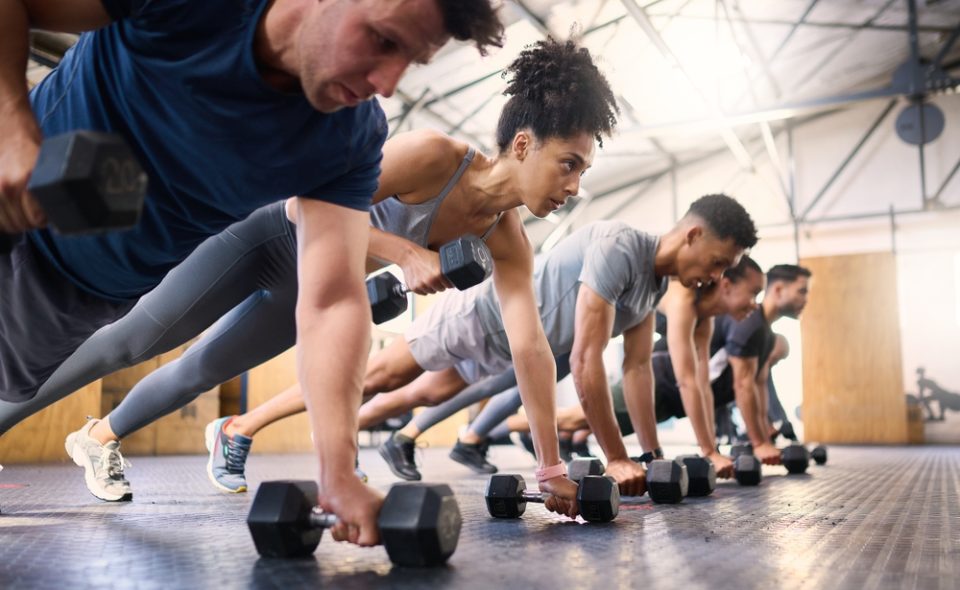
Walking into a group workout already takes effort. Walking in with the wrong gear makes it harder than it needs to be. Many people spend too much on items that add little value, while overlooking simple essentials that directly affect comfort, safety, and performance. Smart shopping is not about buying more. It is about buying right, based on how you actually train.
If you attend fitness classes singapore regularly, your needs are different from someone who trains occasionally or only uses machines. Group classes involve shared spaces, changing intensities, and varied movements. The right gear helps you stay consistent, confident, and focused, which ultimately improves results.
Why gear choices matter more in group classes
Group classes move quickly. There is less time to adjust equipment or recover from discomfort. Small issues like slipping shoes or restrictive clothing become big distractions.
The cost of poor gear decisions
Common problems caused by unsuitable gear include:
-
Knee or foot discomfort from unstable shoes
-
Overheating due to non-breathable fabrics
-
Limited movement from overly tight or stiff clothing
-
Constant readjusting during class
-
Reduced confidence and enjoyment
Good gear reduces friction so you can focus on movement instead of managing discomfort.
Shoes, the most important purchase you will make
Shoes influence how force travels through your joints. One shoe rarely works well for every class type.
Shoes for strength and mixed-format classes
Strength and conditioning classes need stability more than cushioning.
Look for:
-
Firm heel support
-
Minimal bounce
-
Flat or low-drop sole
-
Secure midfoot fit
Avoid:
-
Highly cushioned running shoes
-
Soft soles that compress under load
Stable shoes help you squat, lunge, and lift with better control and reduced knee strain.
Shoes for indoor cycling
Cycling demands a different setup.
Key features:
-
Stiff sole for efficient power transfer
-
Secure closure system
-
Proper sizing to avoid foot numbness
If clip-in systems are available, cycling-specific shoes improve comfort and performance over time. Using running shoes can feel acceptable at first but often leads to foot fatigue.
Shoes for dance-based classes
Dance fitness requires flexibility and smooth transitions.
Look for:
-
Lightweight construction
-
Flexible forefoot
-
Good grip without excessive stickiness
Avoid shoes that grip too aggressively, as they can stress knees during turns.
Clothing that supports movement, not trends
Activewear should help you move freely and regulate temperature.
Fabric choices for Singapore’s climate
Humidity changes everything.
Prioritise:
-
Moisture-wicking fabrics
-
Breathable mesh panels
-
Quick-drying materials
Avoid heavy cotton blends that trap sweat and feel uncomfortable mid-class.
Fit matters more than brand
Clothing should stay in place without restriction.
Key checks:
-
Leggings that do not roll down during squats
-
Tops that allow overhead arm movement
-
Waistbands that feel secure but not tight
-
Seams that do not rub during repetitive movement
Comfort improves confidence, which improves consistency.
Layering for before and after class
Light layers help manage temperature changes.
Useful items include:
-
A thin zip-up jacket
-
Lightweight cover-up for cooling down
-
Easy-to-remove layers for warm-up transitions
Accessories that add value, not clutter
Accessories should solve a problem, not create one.
Mats and towels
Even if mats are provided, having your own can improve hygiene and comfort.
Consider:
-
Non-slip mats for floor work
-
Medium thickness for spine support
-
Compact towels that absorb well
Gloves, belts, and supports
These are optional tools.
When they help:
-
Gloves for grip if hands slip due to sweat
-
Belts for heavy lifting if technique is solid
-
Light knee sleeves for warmth and awareness
When to avoid:
-
Using supports as a substitute for proper form
-
Wearing belts for every exercise
-
Relying on gear instead of strengthening weak areas
Bags and organisation, the underrated performance factor
A poorly organised bag adds stress before and after class.
What an efficient gym bag includes
Keep it simple:
-
Separate compartment for shoes
-
Small pouch for toiletries
-
Space for towel and change of clothes
-
Easy-access water bottle pocket
Avoid overpacking. A lighter bag reduces mental friction.
Hygiene essentials for frequent class-goers
Regular classes mean frequent washing.
Helpful habits:
-
Carry spare socks
-
Air-dry shoes between sessions
-
Wash activewear promptly
-
Use breathable storage for damp items
Good hygiene keeps gear lasting longer and workouts more pleasant.
What not to buy, saving money and frustration
Not every popular item improves performance.
Overly technical gadgets
Many wearable accessories promise rapid results but add little value if basics are missing. Focus first on comfort, footwear, and clothing.
Trend-driven apparel
Fashion-focused activewear often sacrifices function. If it restricts movement or requires constant adjustment, it is not serving you.
Duplicate items you rarely use
Buying multiple versions of the same item rarely improves consistency. One reliable setup beats many unused options.
Matching gear to class frequency
How often you train influences what is worth buying.
For 1 to 2 classes per week
-
One versatile pair of training shoes
-
Two complete activewear sets
-
Basic towel and water bottle
For 3 to 5 classes per week
-
Separate shoes for cycling and floor classes
-
Multiple quick-dry outfits
-
Extra towel rotation
-
Shoe deodoriser or drying aids
Frequent training benefits from redundancy, not excess.
How gear supports confidence and adherence
Confidence is not vanity. It is comfort, preparedness, and feeling capable.
Why feeling prepared improves results
When gear works:
-
You arrive less stressed
-
You move with more freedom
-
You focus better during class
-
You recover more comfortably
These small improvements compound over weeks and months.
Avoiding decision fatigue
Having a reliable setup reduces daily choices. Knowing what to wear and bring makes attending class feel easier, especially after long workdays.
Integrating smart shopping with class variety
Different classes demand different gear. Rotating formats keeps training balanced, but gear must support that variety.
For those attending multiple formats in one location, True Fitness Singapore offers diverse class styles. Having adaptable gear makes it easier to switch between strength, cardio, and mobility sessions without friction.
Budgeting for fitness gear without overspending
Smart budgeting prioritises longevity.
How to spend wisely
-
Invest in shoes first
-
Buy fewer, higher-quality clothing pieces
-
Replace worn items before they cause discomfort
-
Avoid impulse purchases based on trends
Long-lasting gear often costs less per use than cheap replacements.
When to upgrade
Upgrade gear when:
-
Shoes lose stability or cushioning
-
Clothing no longer fits securely
-
Equipment causes discomfort or distraction
Replacing worn gear is part of sustainable training.
FAQ, real-life questions about shopping for group fitness classes
Do I need different shoes for every class type?
Not necessarily, but having separate shoes for cycling and floor-based classes improves comfort and reduces wear. If you train often, the difference becomes noticeable.
Can I use running shoes for strength classes?
Running shoes are designed for forward motion and cushioning. They often lack stability for lifting and lateral movements, which can affect balance and joint comfort.
How many activewear sets should I own if I train regularly?
For 3 to 5 classes weekly, at least four to five sets prevent rushed laundry and ensure you always have clean gear available.
Are compression garments necessary?
Compression can improve comfort and circulation for some people, but they are optional. Fit and breathability matter more than compression level.
What is the biggest shopping mistake beginners make?
Buying trendy items before understanding personal needs. Start with basics, then adjust based on experience.
How do I stop shoes from smelling if I train often?
Air them out after each session, avoid storing them in closed bags, and rotate pairs if possible. Moisture control is key.
Should I buy premium brands to get better results?
Results come from consistency and comfort, not logos. Choose gear that fits well, supports movement, and lasts.
When should I replace training shoes?
Most shoes last between 6 to 12 months with regular use. Replace them when stability decreases or discomfort appears.
