
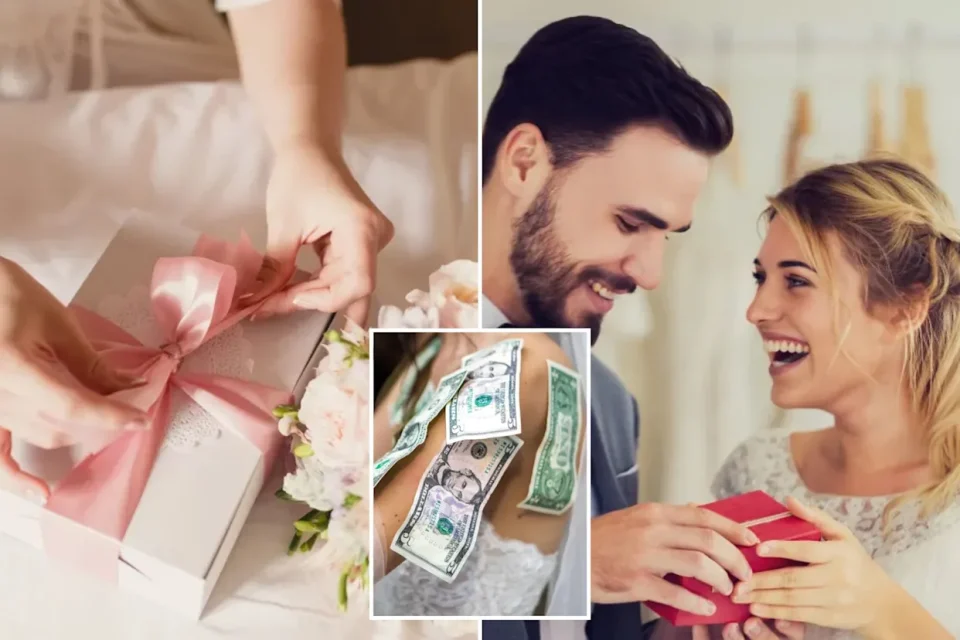
The traditional wedding registry, once defined by the ritual of scanning barcodes for porcelain dinnerware and heavy-duty stand mixers, is undergoing a quiet but definitive transformation. In the modern era, the sight of a couple wandering through department store aisles is becoming less common. Instead, today’s newlyweds are looking toward the horizon. The rise of honeymoon funds and the integration of curated artisan services reflect a significant shift in how couples view the start of their lives together. This movement is not merely a matter of convenience; it is a reflection of changing domestic habits, a prioritization of shared experiences over material accumulation, and a desire for authenticity in an increasingly mass-produced world.
The Shift from Household Staples to Shared Experiences
For previous generations, the wedding registry served a very practical purpose: it was the primary means of outfitting a new home. Couples often moved from their parents’ houses or college dorms into a shared residence for the first time after the wedding. Consequently, they actually needed the toasters, linens, and silverware that guests provided to establish a functioning household.
However, the demographic profile of the modern couple has changed significantly. Most contemporary couples in the United States live together long before saying “I do.” By the time the wedding date arrives, their kitchens are already stocked, and their linen closets are full. Asking for a second blender or a formal china set that will likely gather dust in a sideboard feels redundant and, in many ways, wasteful.
The honeymoon fund addresses this modern reality. By allowing guests to contribute to a travel fund, couples are able to finance a “once-in-a-lifetime” trip that might otherwise be out of reach after the high costs of a wedding ceremony. This shift aligns with broader psychological trends suggesting that experiences provide more long-lasting happiness than physical objects. While a designer vase remains static, the memory of a sunset dinner in Santorini or a guided trek through the Swiss Alps continues to yield emotional dividends for years to come.
The Psychology of Earmarked Gifting
One might wonder if asking for money is still considered a breach of etiquette. Historically, the direct request for cash was viewed with skepticism, often seen as transactional. The genius of the modern honeymoon fund lies in its ability to “earmark” contributions. Instead of a vague cash gift, platforms now allow guests to fund specific components of the trip.
-
Sunset Cocktails: A guest can feel the joy of treating the couple to a specific evening out.
-
A Scuba Diving Excursion: Friends can contribute to a specific adventure, making the gift feel personal and active.
-
Airfare Upgrades: Family members can provide the luxury of comfort during a long-haul flight.
This granular approach preserves the sentimentality of gift-giving. It allows the guest to visualize exactly how their contribution is enhancing the couple’s joy. It transforms a financial transaction into a shared story, bridging the gap between the practicality of cash and the warmth of a physical gift.
The Rise of the Artisan Service
Parallel to the rise of experiential gifting is a growing demand for curated artisan services. This trend moves away from “big-box” wedding vendors toward specialized creators who offer something unique, hand-crafted, and deeply personal. This can include anything from bespoke stationery designers and independent floral artists to private chefs and custom jewelry smiths.
Couples are increasingly seeking out these artisans to ensure their wedding and honeymoon do not feel like a “cookie-cutter” event. In an age of social media where wedding aesthetics can often look identical, the artisan provides a breath of fresh air. They offer a level of craftsmanship and storytelling that mass-market services cannot replicate.
Customization and Personal Identity
The move toward artisan services is also a move toward sustainability and ethical consumption. Many artisan vendors operate on a smaller scale, sourcing materials locally and employing eco-friendly practices. For the modern couple, the wedding is an opportunity to let their values shine. Choosing a local potter to create custom wedding favors or a small-batch perfumer to design a signature scent for the day adds layers of meaning to the celebration.
Support for Small Businesses
There is also a conscious effort among younger generations to support the “maker economy.” By allocating their wedding budget toward independent creators, couples are investing in people rather than corporations. This creates a more intimate planning experience. Instead of dealing with a faceless customer service department, the couple works directly with the artist, fostering a collaborative relationship that makes the final product even more special.
Integrating Artisan Experiences into the Honeymoon
The trend of artisan services does not end at the wedding reception; it extends into the honeymoon itself. Many couples are now using their honeymoon funds to book “curated experiences” that go beyond standard resort packages. This might include:
-
Private Workshops: Taking a traditional pasta-making class with a local instructor in Italy or a pottery workshop in Japan.
-
Artisan Tours: Visiting small-scale vineyards or hidden craft markets that are off the beaten path.
-
Bespoke Accommodations: Opting for boutique hotels or heritage stays that prioritize local culture and architecture over standardized luxury.
These experiences offer a deeper connection to the destination. They allow the couple to engage with the world in a way that is authentic and enriching, rather than merely observational.
The Role of Technology in Personalization
Modern platforms have made the management of these funds and services incredibly efficient. Digital tools can help couples calculate the true cost of their dream honeymoon, factoring in everything from local tipping customs to fluctuating exchange rates. Some platforms even suggest artisan vendors based on the couple’s aesthetic preferences and ethical values.
Furthermore, digital thank-you notes have evolved. Couples can now send immediate photo or video updates to a guest the moment they are enjoying the specific experience that guest funded. Imagine receiving a video of the newlyweds raising a glass of wine that you bought for them while they sit on a balcony overlooking the Mediterranean. This level of real-time gratitude makes the fund model feel more connected than the traditional registry ever was.
A Legacy of Memories over Materialism
Ultimately, the shift toward honeymoon funds and artisan services represents a maturing of the wedding industry. It is a move away from the “stuff” of life and toward the “soul” of life. By prioritizing memories and supporting the craftsmanship of individuals, couples are starting their marriages with a focus on what truly matters: shared growth, unique stories, and a conscious appreciation for the world around them.
The honeymoon fund is no longer a last-minute alternative for the couple who has everything; it is a strategic choice for the couple who wants everything to mean something. As we look toward the future of matrimonial trends, the focus will likely continue to shift away from the mantelpiece and toward the horizon, celebrating a life built on experiences rather than possessions.
Frequently Asked Questions
Is it considered rude to ask for money instead of physical gifts?
Modern etiquette has shifted significantly. As long as the request is phrased politely and the funds are directed toward a specific goal like a honeymoon, most guests appreciate the clarity. Providing specific options for what the money will be used for helps guests feel like they are giving a “gift” rather than just cash.
What happens if the honeymoon is canceled after funds are collected?
In the rare event of a cancellation, couples typically apply the funds to a rescheduled trip or a similar meaningful experience. It is important to communicate with your guests if plans change drastically, but generally, the gift is seen as a contribution to your new life together.
How do artisan services differ from standard wedding vendors?
Artisan services usually focus on small-batch, handcrafted, or highly customized products. While a standard vendor might provide a high volume of goods, an artisan focuses on a unique aesthetic and a more personal, one-on-one collaboration with the couple.
Are honeymoon funds safe from a security standpoint?
Most major honeymoon fund platforms use encrypted payment processors similar to any other reputable e-commerce site. It is always best to use well-established platforms that offer protection for both the sender and the receiver.
Can we combine a honeymoon fund with a traditional registry?
Yes, many couples choose a hybrid approach. This allows you to cater to different guest preferences. You might list a few high-quality kitchen items for those who prefer physical gifts while emphasizing the honeymoon fund as your primary wish.
How do we handle taxes on honeymoon fund contributions?
In the United States, wedding gifts are generally considered “nontaxable gifts” by the IRS, provided they fall under the annual gift tax exclusion limit per person. However, for very large contributions, it is always a good idea to consult with a tax professional.
Should we mention the honeymoon fund on the physical invitation?
Standard etiquette suggests that you should not put registry or fund information directly on the formal invitation. Instead, include a link to your wedding website on an enclosure card, where guests can find all the details regarding your honeymoon fund and artisan preferences.
