
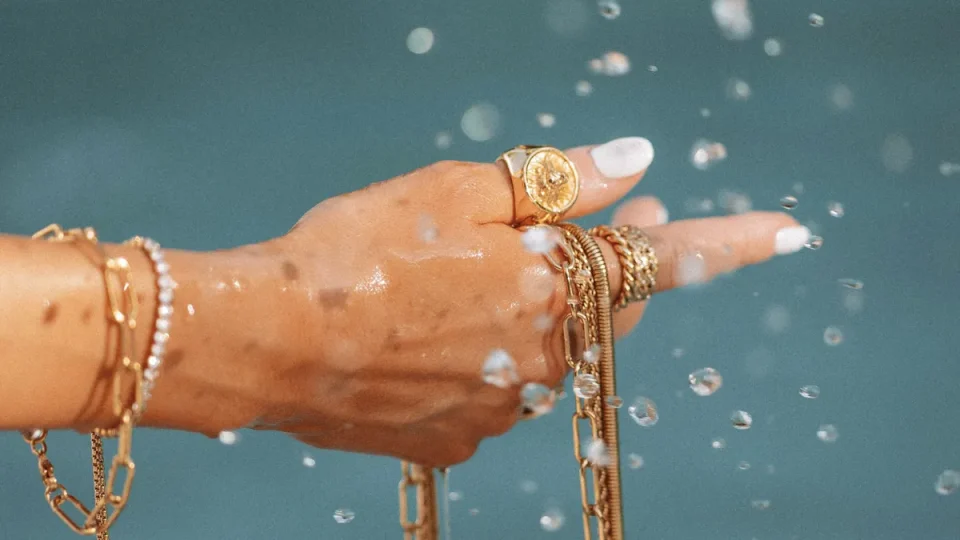
For many, the arrival of warmer weather and vacation season signals a time for relaxation, travel, and outdoor activities. However, the environmental factors that define these seasons—intense sunlight, salty ocean air, and chemically treated pool water—can be incredibly hostile to fine jewelry. While a diamond or a gold band may seem indestructible, they are susceptible to chemical reactions and physical degradation when exposed to the elements. Understanding the specific risks associated with seasonal elements is the first step in ensuring your cherished pieces remain vibrant and structurally sound for generations.
Jewelry care is often thought of in terms of cleaning off dirt or oil, but seasonal care is about preventing permanent chemical alterations. Whether you are lounging by a Mediterranean beach or taking a quick dip in a local swimming pool, your jewelry is interacting with its environment in ways that are not always visible to the naked eye.
The Invisible Threat of Chlorine and Pool Chemicals
Chlorine is perhaps the most dangerous common chemical for fine jewelry, specifically for gold alloys. Most people wear 14k or 18k gold, which is not pure gold but a mixture of gold and other metals like copper, silver, or nickel. These alloying metals give the jewelry its strength and specific color.
When gold jewelry is submerged in chlorinated water, a process called stress corrosion cracking can occur. The chlorine reacts with the base metals in the alloy, effectively leaching them out of the structure. Over time, this creates microscopic bubbles and cracks within the metal. While the ring may look fine on the surface, its internal integrity is compromised. Eventually, a simple bump against a hard surface can cause a prong to snap or the band to break entirely.
This risk is even higher in hot tubs, where the concentration of chemicals and the high temperature of the water accelerate the chemical reaction. White gold is particularly vulnerable because chlorine can quickly strip away the rhodium plating that gives it its bright, silvery finish, leaving the jewelry looking yellowed and dull.
Salt Water and the Mechanics of Erosion
The ocean presents a different set of challenges. Salt water is highly corrosive, particularly to silver and base metal components used in jewelry construction, such as hinges, clasps, and solder points.
-
Corrosion of Solder: Even high-end jewelry uses solder to join pieces together. Salt water can attack these joints, leading to a “sudden” failure where a clasp breaks or a setting falls apart.
-
Sand as an Abrasive: Ocean environments are rarely just water; they involve sand. Sand is primarily composed of silica, which is quite hard on the Mohs scale. When sand gets trapped between your skin and your jewelry, or inside the moving parts of a watch or a clasp, it acts like sandpaper. This can lead to deep scratches on soft metals like gold and platinum and can dull the polish of softer gemstones.
-
The Shrinkage Factor: One of the most common ways people lose jewelry is by wearing it in cold ocean water. Cold water causes your blood vessels to constrict, making your fingers temporarily smaller. A ring that felt secure on the beach can easily slip off unnoticed in the waves.
Sunlight and the Fading of Gemstones
We often think of gemstones as being colorfast, but many are photosensitive. Prolonged exposure to intense ultraviolet (UV) radiation from the sun can cause certain gemstones to fade or change color permanently. This is a form of “solarization” where the light energy alters the chemical impurities that give the stone its hue.
Gemstones that are particularly susceptible to sun damage include:
-
Amethyst and Citrine: These quartz varieties can lose their saturation and become pale after long hours in direct sunlight.
-
Kunzite: Known for its delicate pink hue, kunzite is famously light-sensitive and can turn almost white if worn frequently in the sun.
-
Topaz: Some treated blue topaz can revert to a brownish or clear state under extreme UV exposure.
-
Pearls and Shell: As organic gems, pearls contain moisture. The heat from the sun can dry out the nacre, leading to “crazing” or surface cracking and a permanent loss of luster.
Beyond the stones themselves, high heat can cause metal to expand. If a gemstone is held in a tight tension setting, the expansion of the metal followed by rapid cooling (such as jumping into a cold lake) can put immense pressure on the stone, potentially causing it to crack.
Protective Measures and Preventative Habits
The best way to care for your jewelry during the summer or on vacation is to establish a “leave it behind” policy. However, if you must wear your pieces, follow these protocols to minimize damage.
The Last On, First Off Rule
This rule is vital for seasonal care. Your jewelry should be the last thing you put on after applying sunscreen, tanning oils, hairspray, and perfume. These products contain fats and chemicals that create a film on diamonds and gemstones, attracting dust and significantly reducing their brilliance. When you return home, your jewelry should be the first thing you remove before showering or starting your skincare routine.
Rinse After Exposure
If you accidentally wear your jewelry in the ocean or a pool, rinse it immediately with fresh, lukewarm water. This helps remove salt crystals and residual chlorine before they have a chance to sit on the metal for an extended period. Dry the piece thoroughly with a soft, lint-free cloth to prevent water spots.
Proper Storage
When not in use, jewelry should be stored in a cool, dark place. Avoid leaving your jewelry box on a sunny windowsill. For travel, use a dedicated jewelry roll where each piece is stored in an individual compartment to prevent harder stones from scratching softer metals or gems.
Professional Post-Season Inspection
After a season of heavy wear, it is wise to take your frequently worn pieces to a professional jeweler for an inspection. They can check for loosened prongs, signs of chemical erosion, and the integrity of clasps. A professional cleaning using an ultrasonic or steam cleaner can also remove the stubborn buildup of sunscreen and oils that home cleaning cannot reach, restoring the original fire and brilliance to your stones.
Frequently Asked Questions
Does sunscreen specifically hurt diamonds?
Sunscreen does not chemically damage a diamond because diamonds are extremely stable. However, sunscreen is greasy and formulated to stick to surfaces. It creates a thick film on the pavilion (the bottom) of the diamond, which stops light from entering and reflecting back. This makes the diamond look “dead” or cloudy. It can also trap dirt against the metal setting, which can lead to skin irritation.
Can I wear platinum in the pool?
Platinum is much more resistant to chemicals than gold alloys. It does not react with chlorine in the same way, so it will not suffer from stress corrosion cracking. However, the chemicals can still affect the solder used in the piece, and the chlorine can dull the finish over time. While safer than gold, it is still best to remove platinum before swimming.
Is it safe to clean my jewelry with vinegar after the beach?
No, you should avoid using vinegar or any acidic household cleaners on jewelry, especially if it contains organic gems like pearls, turquoise, or coral. The acid can dissolve the surface of these stones. The safest cleaning solution is a simple mixture of mild dish soap and warm water.
How does humidity affect jewelry storage?
High humidity can accelerate the tarnishing process for silver and low-karat gold. If you live in a humid climate, consider placing silica gel packets in your jewelry box to absorb excess moisture and prevent the metal from oxidizing.
What happens if I leave my jewelry in a hot car?
Extreme heat can be devastating for “fracture-filled” stones or gems that have been treated with oils or resins, such as many emeralds. The heat can cause the oils to leak out or dry up, making the inclusions within the stone much more visible and making the stone more brittle.
Are there any gemstones that are completely safe in the sun?
While most stones are relatively stable, diamonds, rubies, and sapphires are generally the most resistant to UV-induced color fading. However, even these can be affected by the heat if they have certain types of inclusions or treatments.
Why does my skin turn green under my ring in the summer?
This is usually a reaction between the copper in the gold alloy and the acids in your sweat. In the summer, you sweat more, which accelerates this oxidation. It is not harmful to your health, but it is a sign that you should clean your jewelry more frequently to remove the salt and moisture buildup.
