
Choosing who cares for your car is a decision that affects safety, long-term costs, and the resale value of your vehicle. How to Choose the Right Auto Repair Shop for Your Vehicle is not simply about finding the cheapest option; it’s about locating a shop that combines technical competence, transparent communication, and a professional process that protects both you and your car. This article explains, in practical detail, the objective criteria and real-world tests you can use to select the right facility, whether your vehicle is a ten-year-old commuter or a recent-model luxury car.
Why the choice matters
A competent repair shop keeps you safe on the road, preserves vehicle reliability, and prevents cascade failures that cost far more than the original repair. Errors such as incorrect torque on suspension bolts, improper diagnostics that miss failing components, or the use of substandard parts can all cause additional breakdowns and safety risks. Choosing wisely reduces unexpected downtime, preserves the vehicle’s warranty and resale value, and often saves money over the vehicle’s life.
Core criteria to evaluate an auto repair shop
Certification and technical credentials
Look for ASE certifications, manufacturer training, or other industry credentials. Certification indicates that mechanics have passed standardized tests and maintain ongoing training.
- ASE (Automotive Service Excellence): Individual technicians can earn ASE certifications in engine repair, brakes, electrical systems, automatic transmission, and more. A shop with multiple ASE-certified techs is a positive sign.
- Manufacturer or dealer training: For late-model or heavily computerized cars, technicians with factory training (from Ford, GM, Toyota, etc.) are better equipped to handle manufacturer-specific systems and warranty-sensitive repairs.
Shop specialization and equipment
Not every shop is right for every vehicle. Match the shop’s strengths to your needs.
- General repair shops handle common maintenance and repairs across many makes.
- Independent specialists (European, Asian, or domestic specialists) often have deeper expertise for specific platforms.
- Dealership service centers typically have factory tooling, proprietary diagnostic software, and direct access to OEM parts.
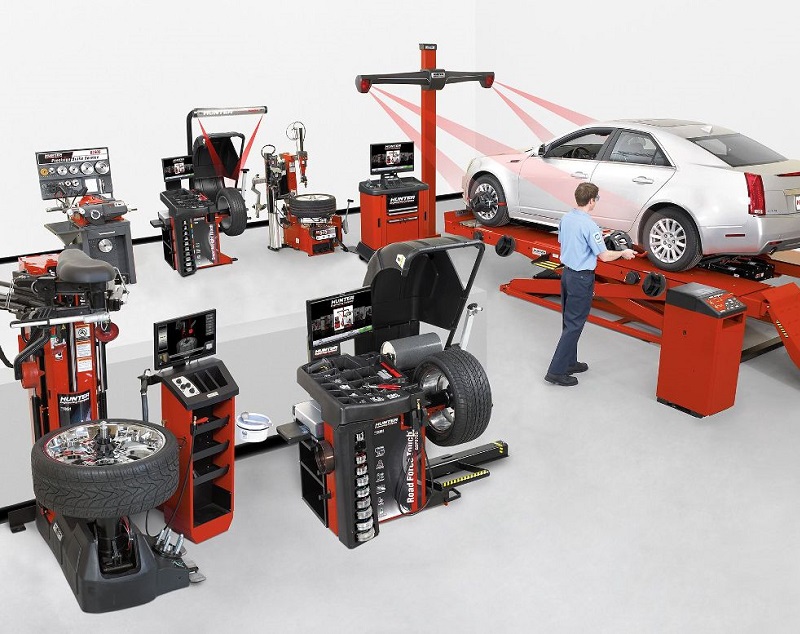
Ensure the shop has modern diagnostic scanners, lift capacity for your vehicle, and tools for tasks such as calibrating ADAS (advanced driver assistance systems) if your car has them.
Reputation, reviews, and local references
Online reviews are useful but require interpretation.
- Read multiple platforms to spot consistent themes. Positive signals: clear explanations, fair pricing, timely repairs, and follow-up service. Negative signals: surprise charges, repeated complaints about the same mechanic, or unresolved warranty issues.
- Ask for local references — friends, coworkers, or neighborhood social groups often provide candid experiences that balance online reviews.
Transparency and communication
A high-quality shop explains the problem, the diagnostic steps they will take, and offers a clear written estimate. Good communication includes:
- Documented estimates with parts and labor broken out.
- Photos or videos of damaged/failed parts when feasible.
- Clear explanations of alternatives, such as OEM versus aftermarket parts and their trade-offs.
Warranty on repairs and parts
A shop that stands behind its work will offer written warranties covering both parts and labor. Typical warranties range from 90 days to 24 months, depending on the shop and type of repair. A strong warranty is a sign of confidence and reduces your financial risk if a repair fails shortly after service.
Cleanliness, organization, and process controls
A well-run shop is clean, organized, and efficient. Indicators include:
- A tidy customer area and well-marked bays.
- Consistent paperwork and vehicle intake/checklist procedures.
- A system for tracking customer approvals and post-repair inspections.
Pricing and value, not just lowest cost
Low bids can be attractive but often cut corners. Evaluate value:
- Does the estimate include diagnostics, test drives, and quality parts?
- Are labor rates competitive for your market and vehicle class?
- Does the shop offer financing or payment options for larger repairs?
Practical checks and verification steps before you commit
1. Ask targeted questions
Before dropping off your car, ask:
- Which technician will work on my car and what certifications do they hold?
- Will you provide a written diagnostic and estimate?
- What warranty do you offer on parts and labor?
2. Inspect the shop and meet the staff
Spend a few minutes in the shop:
- Is work being performed in a professional and orderly manner?
- Are technicians using appropriate PPE and following safety standards?
- Does the front desk staff answer questions clearly and without pressure?
3. Request a written estimate and authorizations
A detailed written estimate protects you. Confirm:
- If additional issues are found during repair, will the shop call you for approval?
- How will they document and present options?
4. Confirm parts sourcing and types
Understand what parts the shop plans to use:
- OEM parts: Direct from the vehicle manufacturer. Often costlier but may be required to maintain some warranties and generally fit exactly.
- OE-quality parts: Made by the same manufacturers that supply OEM parts but sold through aftermarket channels.
- Aftermarket parts: Varying quality; ask for brand names and guarantees.
- Used or rebuilt parts: Lower cost but can be higher risk; only acceptable when documented and with a clear return policy.
5. Verify diagnostics method and time
Accurate repairs start with diagnostics. Ask whether the shop uses live data, code scanning, and systematic testing rather than guesswork. A reputable shop will charge for diagnostics but will avoid replacing parts without testing.
6. Seek a second opinion for major repairs
For high-cost repairs, especially those involving engine or transmission, get a second written estimate. Price variation often reflects different diagnostic conclusions, so a second opinion helps confirm the correct path.
Red flags that mean walk away
- Vague explanations about what’s wrong or why certain repairs are needed.
- Pressure tactics to authorize immediate, expensive services without diagnostics.
- An insistence on using only rebuilt parts with no warranty.
- No written estimate or refusal to put warranty terms in writing.
- Consistent online reports of unresolved complaints or unresolved warranty claims.
Handling warranty, insurance, and recall-related repairs
Warranty and manufacturer recall work
If your vehicle is under manufacturer warranty or affected by a recall, verify whether the repair needs to be done at a dealer. Many recalls must be performed by authorized dealerships using specific replacement parts and procedures.
Insurance claims and collision repairs
If repairs involve insurance:
- Confirm whether the shop will communicate directly with your insurer or if you should be the primary contact.
- Look for certified collision repair shops that follow insurer and manufacturer-approved repair methods.
- Ensure the shop documents pre- and post-repair conditions and offers a clear warranty on structural and paint work.
Long-term relationship: building trust with a service provider
Keep records
Maintain a file with:
- Written estimates, invoices, and receipts.
- Notes on technician names and service recommendations.
- Photos of replaced parts when available.
Routine maintenance plan
A shop that handles routine maintenance well tends to be better at repairs. Consider entrusting oil changes, tire rotations, and scheduled inspections to the same shop to build history and accountability.
Periodic performance checks
After significant repairs, perform checks such as:
- Short test drive to verify the repair.
- Re-check service intervals and ask the shop to document follow-up checks if needed.
Evidence-backed practices for better outcomes
Use diagnostics first — avoid part swapping
Modern vehicles increasingly rely on computer systems and sensors. Replacing parts without proper diagnostic data often fails to solve the root cause and wastes money. Insist on a diagnostic code read and live-data confirmation.
Ask for pre-authorization levels
Set a dollar threshold for automatic approvals. For example, require the shop to call you for any additional repairs over $200. This prevents surprise bills and ensures you control scope and cost.
Understand the repair lifecycle
A repair typically follows these steps:
- Intake and initial inspection
- Diagnostic testing and error code analysis
- Estimate preparation and customer authorization
- Parts ordering and repair execution
- Quality control test drive and inspection
- Customer pickup with explanations and paperwork
Seeing a shop follow this lifecycle consistently demonstrates professional process control.
Cost-control strategies that do not sacrifice safety
- Prioritize safety-critical repairs (brakes, steering, tires) before cosmetic or comfort items.
- Ask for remanufactured or OE-quality parts when cost is a concern, but only with clear warranty backing.
- Bundle maintenance when possible so you pay a single labor charge for multiple items.
- Compare two written estimates for large jobs to identify unusual line items or diagnostic gaps.
Checklist to bring when you visit a prospective shop
- Vehicle registration and proof of insurance
- Recent maintenance records
- A written description of the symptoms and the time they occur
- Permission for the shop to test-drive the vehicle
- Your preferred contact method and approval threshold
Sample questions to ask at the front desk
- Who will diagnose and work on my vehicle? What are their credentials?
- How long will diagnostics take and what is the diagnostic fee?
- Do you offer a parts and labor warranty? How long is it and what does it cover?
- Can you provide a written estimate that separates parts and labor?
- If additional work is needed, how will you contact me and document changes?
Case studies and realistic scenarios
Scenario: Intermittent electrical issue on a 2016 sedan
A low-quality shop replaces the alternator based on a single code and charges for parts and labor. The problem returns. A better approach involves conducting battery, alternator, and wiring tests, capturing intermittent codes with live-data logging, and checking ground connections before replacing major components.
Scenario: Collision repair on a late-model SUV
A shop lacking OEM procedures repairs a structural component without proper alignment and calibration for ADAS. Driveability and safety systems later fail. The right approach uses manufacturer-approved procedures, proper jigging for body alignment, and recalibration of sensors after repair.
FAQs (useful, real-life questions not covered above)
Q: Is the dealership always the safest choice for modern cars?
A: Not always. Dealerships have manufacturer training and access to OEM parts and software, which is valuable for brand-new or warranty-related repairs. However, a highly trained independent specialist often provides equal or superior value for routine maintenance and out-of-warranty work, typically at lower prices. Evaluate certifications, tooling, and reputation rather than assuming dealership is superior by default.
Q: How long should I expect a typical diagnostic to take?
A: Basic diagnostics often take one to three hours depending on symptom complexity. Intermittent or electronic issues may require longer because technicians need to replicate conditions or capture live data. Expect to be charged for thorough diagnostics; cheap or free diagnostics sometimes lack depth.
Q: What should I do if the repair fails shortly after shop work?
A: Return to the shop immediately with your written invoice and explain the issue. If the shop honored a warranty, they should repair the issue at no additional cost. If the shop refuses, document communications and consider small claims court or a local consumer protection agency if necessary.
Q: Can I supply my own parts to a repair shop?
A: Many shops accept customer-supplied parts, but policies vary. Be aware that shops often refuse liability for customer-supplied parts and may void warranty coverage if the part fails. Discuss this upfront and get agreement in writing.
Q: How do I keep my vehicle resale value when using an independent shop?
A: Maintain detailed records of all maintenance and repairs, including invoices and technician notes. Use parts with clear provenance and keep OEM parts where possible. A consistent documented service history from a reputable shop increases buyer confidence.
Q: What payment and financing options should I expect?
A: Good shops accept credit cards, debit, cash, and often provide short-term financing or payment plans for major repairs. Ask about payment options up front if you anticipate a large bill.
Q: How can I verify that required software updates or recalls are performed?
A: For recalls, check your manufacturer’s recall portal using your VIN or contact a dealership. For software or TSB (technical service bulletin) updates, ask the shop whether they will check for open TSBs and whether they can perform software updates; some updates are dealer-only.
Q: When should I choose OEM parts over aftermarket?
A: Prioritize OEM parts for safety-critical systems, items that interface with vehicle electronics, or if your vehicle is under warranty. For non-critical wear items, high-quality aftermarket parts may be appropriate if they come from reputable brands and include warranties.
Use this material as a practical reference whenever you evaluate service providers, write estimates, or manage vehicle repairs. Prioritizing certification, transparent communication, documented processes, and appropriate tooling filters out many poor providers and protects your car, wallet, and family.
