
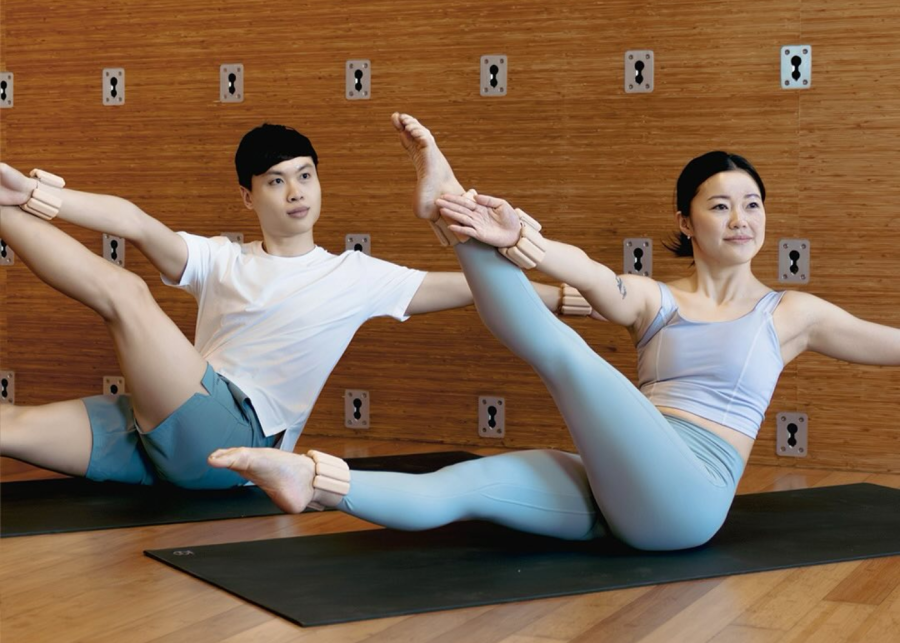
Yoga props can make practice more accessible, stable and specific, but more equipment does not automatically create a better session. A block that is too soft, a strap with an awkward buckle or a mat that becomes slippery in humidity may spend more time in storage than in use.
People building a home setup for yoga Singapore conditions should shop according to the movements they practise, the space they have and how equipment responds to heat and moisture. The best prop is not the most fashionable one. It is the item that consistently solves a real practice problem.
Start With the Practice, Not the Product
Before buying anything, note which props instructors regularly ask you to use. A beginner attending general flow classes may need a mat and two blocks. A restorative practitioner may gain more from a bolster and blanket, while someone travelling frequently may prioritise a light mat and compact strap.
This prevents speculative purchases. A yoga wheel or specialised inversion aid can look appealing online, but it may have little place in the user’s normal sequencing. Borrowing studio equipment first is an efficient way to discover dimensions, firmness and surfaces that feel useful.
A Mat Is a Contact Surface, Not Just Padding
Mat thickness receives much of the attention, yet grip, stability, texture and dimensions can matter more. A very thick soft mat may cushion the knees but make standing balances less steady. A thin firm mat gives clearer floor feedback but may need additional knee support.
Consider hand and foot size, usual stance length and whether the mat shifts on tile or wood. Taller practitioners may value extra length. People who attend crowded classes should also check whether an oversized mat creates practical difficulties in the studio.
Test Grip in Humid Conditions
Singapore’s humidity can change how a mat performs. Some surfaces become more secure with slight moisture, while others turn slick under sweaty hands. A dry touch test in an air-conditioned shop does not tell the whole story.
Where possible, ask about wet grip and return policies. Reviews from people practising in similar conditions may be more relevant than ratings from dry climates. A full-length grip towel can help during sweat-heavy classes, but it should lie flat and remain stable during transitions.
Understand the Trade-Offs Between Mat Materials
Natural rubber often provides strong traction and a firm feel, but it can be heavy, have a noticeable smell and be unsuitable for people with latex sensitivities. PVC mats may be durable and easy to clean, with performance varying widely by surface design. TPE and other foams can be light, though density and longevity differ.
Cork and fabric-topped mats may improve grip as moisture increases but feel less secure when completely dry for some users. No material label guarantees quality. Assess the complete product, including base grip, surface, weight, care needs and how the manufacturer describes material composition.
Choose Block Density Deliberately
Blocks extend the floor, support body weight and help define range. Foam blocks are light, quiet and comfortable against the body. Their firmness varies, and very soft versions may compress or wobble under substantial load.
Cork blocks are usually denser and more stable, but heavier to carry. Wooden blocks are firm and durable yet less forgiving if a practitioner loses balance onto them. For general practice, two matching blocks are often more versatile than one because they support symmetrical positions and different shoulder widths.
Check Block Dimensions in Your Hands
Small differences in block size affect comfort. A wider block may feel more stable under the hand, while a narrower one may be easier to grip. The three height settings should be usable without sharp edges pressing into the palm.
Practitioners with smaller hands or wrist sensitivity may prefer rounded edges and a surface that does not become slippery. Test the block in a supported lunge, under a hand in triangle and beneath the sacrum only if the product is designed for that use.
A Strap Should Adjust Smoothly and Hold Securely
Yoga straps help bridge distance in seated folds, shoulder work and bound poses. Length matters. A longer strap offers more options for larger bodies and looped configurations, while a compact strap may be easier to transport.
Metal D-ring buckles are durable and adjustable but can feel heavy or make noise on the floor. Plastic quick-release buckles are convenient but should close securely and tolerate repeated use. Inspect stitching near the buckle, and choose webbing that feels firm without cutting into the hands.
Bolster Shape Should Match Its Main Job
Rectangular bolsters provide a broad, stable surface and stack neatly. Round bolsters may create a more pronounced curve for chest opening or support beneath the knees. Length, width and fill density determine whether a bolster supports the whole torso or only a small area.
The filling should recover its shape rather than collapsing completely after a few uses. Removable, washable covers are valuable in humid conditions. Check the handle stitching as well, particularly if the bolster will be carried between rooms or classes.
Prioritise Cleaning and Drying
Props absorb sweat, skin oil and dust. Care instructions should suit the material. Strong disinfectants, essential oils or prolonged sun exposure can damage some surfaces, so follow the manufacturer’s guidance rather than assuming one cleaner works for everything.
Wipe equipment after use and allow it to dry fully before rolling, stacking or placing it in a closed cupboard. Removable covers reduce cleaning difficulty. In Singapore’s climate, airflow around stored props can matter as much as the cleaning product.
Plan for Compact Storage
Home equipment needs a defined place. Mats stored upright should not bend at one point, while bolsters and blocks need ventilation and protection from moisture. Measuring the cupboard or corner before purchasing prevents a large prop collection from becoming household clutter.
Multipurpose items earn their space. Two blocks can support strength, mobility and restorative work. A strap can also secure a rolled mat. A blanket may serve seated poses, knee padding and relaxation. Start with these broad-use items before adding specialised equipment.
Factor in Transport Weight
A premium rubber mat may grip beautifully but feel burdensome on public transport. Cork blocks and dense bolsters also add weight. If equipment regularly travels between home, office and studio, portability may determine whether it is actually used.
Look at total carry weight, bag ventilation, strap comfort and how the mat behaves when rolled. A lighter travel setup can coexist with a heavier home mat. The right choice reflects the journey as well as the class.
Buy From Sellers Who Explain Use
A knowledgeable seller should be able to discuss dimensions, material, cleaning and intended load without making exaggerated health promises. Clear product specifications are especially important for online purchases. Vague terms such as “eco-friendly” or “professional grade” need supporting detail.
Practising with studio props at Yoga Edition can help shoppers compare surfaces and sizes before committing to personal equipment. Instructors can also explain why a particular prop appears in class, which is often more useful than choosing from a catalogue alone.
Build the Kit in Stages
A sensible first kit often includes a reliable mat, two stable blocks and a strap. After several weeks, the practitioner can identify whether a blanket, bolster, towel or knee pad would genuinely improve recurring parts of practice.
Staged buying reduces waste and makes quality easier to prioritise. It also leaves room for preferences to change as experience grows. Props should expand access and attention, not become a substitute for learning how and why movements are adapted.
Frequently Asked Questions
How thick should a yoga mat be?
Many general-purpose mats are around four to five millimetres thick, but firmness matters too. Choose enough comfort for the knees without making standing balance unstable.
Are expensive yoga mats always better?
No. Price may reflect material, branding, durability or production methods, but the mat still needs to suit your grip, body, class and transport needs.
Do beginners need two yoga blocks?
Two matching blocks are often useful because they support both hands at equal height. One can work, but a pair provides more options.
Is cork better than foam for yoga blocks?
Neither is universally better. Cork is firmer and more stable, while foam is lighter and softer. Choose according to load, portability and comfort.
How often should yoga props be cleaned?
Wipe shared or sweat-exposed items after use and clean more thoroughly according to manufacturer instructions. Always let props dry fully before storage.
Should I buy my own props if the studio provides them?
Not necessarily. Studio props are useful for class, while personal props improve convenience and hygiene at home. Buy only what you expect to use regularly.
